

What is Branding and How It helps in business?

Written by Sannia
7 Minute Read
Table of Contents
- What is Branding in Business and Why Does It Matter in the UK?
- The Definition of Branding: Beyond the Logo
- How Branding Helps Business Growth in the UK
- Brand Identity Design UK: What a Strong Brand Identity Includes
- Brand Strategy UK: How to Build a Brand That Lasts
- Branding for Small Businesses UK: Why Size Does Not Limit Brand Impact
- Conclusion
What is Branding in Business and Why Does It Matter in the UK?
Branding is the strategic process of creating a distinct identity for a business through its name, visual language, messaging, values, and customer experience. It is not limited to a logo or a colour palette. Branding is everything a customer sees, hears, and feels when they interact with a company. For UK businesses competing in one of the world's most active consumer markets, the strength of a brand directly determines how much trust, recognition, and revenue a business can generate.
The UK brand consultancy industry generates £1.9 billion in annual revenue, which reflects how seriously British businesses treat brand development as a commercial investment. Professional ux services and brand identity work together to shape the digital experience customers have with a business. This guide explains what branding is, how it works, and what measurable impact it produces for UK businesses of all sizes.
The Definition of Branding: Beyond the Logo
Branding creates a system of recognition. It is the mechanism by which a customer identifies one business over another, develops a preference, and chooses to return. The American Marketing Association defines a brand as a name, term, design, symbol, or combination that identifies a seller's goods or services and differentiates them from competitors.
In practice, branding encompasses several interconnected components:
|
Brand Component |
What It Covers |
|
Brand Identity |
Logo, typography, colour palette, visual system |
|
Brand Voice |
Tone, language style, messaging across all platforms |
|
Brand Values |
The principles the business operates by and communicates |
|
Brand Experience |
How customers feel at every touchpoint with the business |
|
Brand Positioning |
How the brand occupies a specific space in the customer's mind |
Each component works in a system. A strong logo with inconsistent messaging produces a weak brand. A clear brand voice with poor visual identity creates confusion. Effective branding aligns all components into a coherent identity.
How Branding Helps Business Growth in the UK
1. Branding Increases Revenue Through Consistency
Consistent brand presentation across all platforms increases revenue by 23%, according to Lucidpress research. For UK businesses operating across websites, social media, print, and in-store environments, inconsistency creates a fragmented customer experience. Consistent branding builds familiarity, and familiarity builds trust. Brand visibility is 3.5 times higher for consistently presented brands compared to those without consistent presentation.
2. Branding Builds Customer Trust and Loyalty
71% of UK consumers demonstrate trust in a brand through increased purchasing behaviour, according to Adobe research from 2024. Trust is not built through advertising alone. It is built through repeated positive experiences, credible visual identity, transparent communication, and delivered brand promises. Once trust is established, it converts into loyalty. 72% of global consumers report loyalty to at least one brand, and 63% of those loyal consumers pay more to shop with that brand over alternatives.
3. Branding Differentiates a Business from Competitors
The UK market is saturated across nearly every sector. Branding is the primary tool available to a business to communicate why it is different and why that difference matters to customers. Businesses without a defined brand identity compete on price alone, which is a race they cannot sustain. A defined brand creates a reason to choose that is not based on discounting.
76% of consumers prefer buying from brands they feel connected to over competitors. That connection is created through branding, not product specifications.
4. Branding Supports Premium Pricing
A strong brand removes the need to compete solely on price. 13% of consumers will pay up to 50% more for products or services from a brand they believe creates a positive impact. In the UK specifically, 82% of shoppers prioritise eco-conscious brands, and companies with strong sustainability branding command measurable price premiums. Brand equity, the value embedded in the brand name itself, allows businesses to charge more, retain customers longer, and spend less on acquisition.
5. Branding Attracts the Right Customers
Effective branding communicates to a specific audience. It signals values, quality level, and identity fit. When branding is aligned with the target customer's expectations, it attracts more of the right customers and fewer of the wrong ones. This reduces sales cycle length, increases conversion rates, and improves customer lifetime value.
6. Branding Improves Staff Recruitment and Retention
77% of marketing leaders say branding is critical to business growth. Brand strength affects internal performance as much as external perception. 80% of baby boomers and 71% of Gen Z candidates say company reputation is a crucial factor when choosing an employer. A strong brand identity attracts talent, creates internal alignment around shared values, and reduces employee turnover.
The Difference Between Branding and Marketing
Branding and marketing are related but distinct disciplines. Understanding the difference is essential for UK businesses allocating budgets and developing strategy.
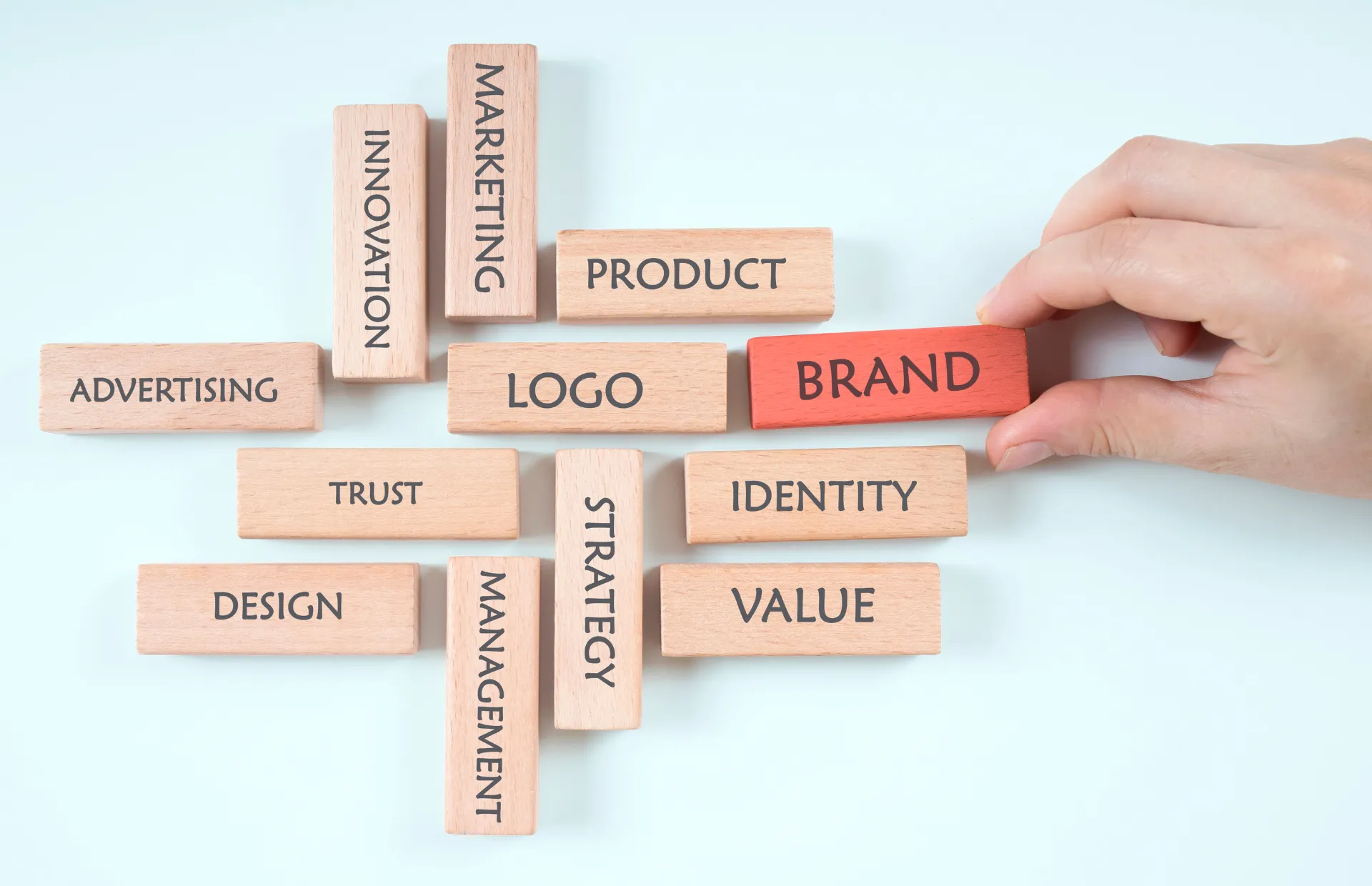
Branding defines who the business is. It establishes identity, values, and positioning. Branding is long-term and foundational.
Marketing communicates what the business offers. It promotes products and services to generate leads and sales. Marketing is campaign-driven and tactical.
Marketing builds on brand. Without a defined brand identity, marketing campaigns lack a consistent voice and visual framework. The brand creates the context that makes marketing effective. For UK businesses, building a brand first and marketing second produces stronger long-term return on investment.
Brand Identity Design UK: What a Strong Brand Identity Includes
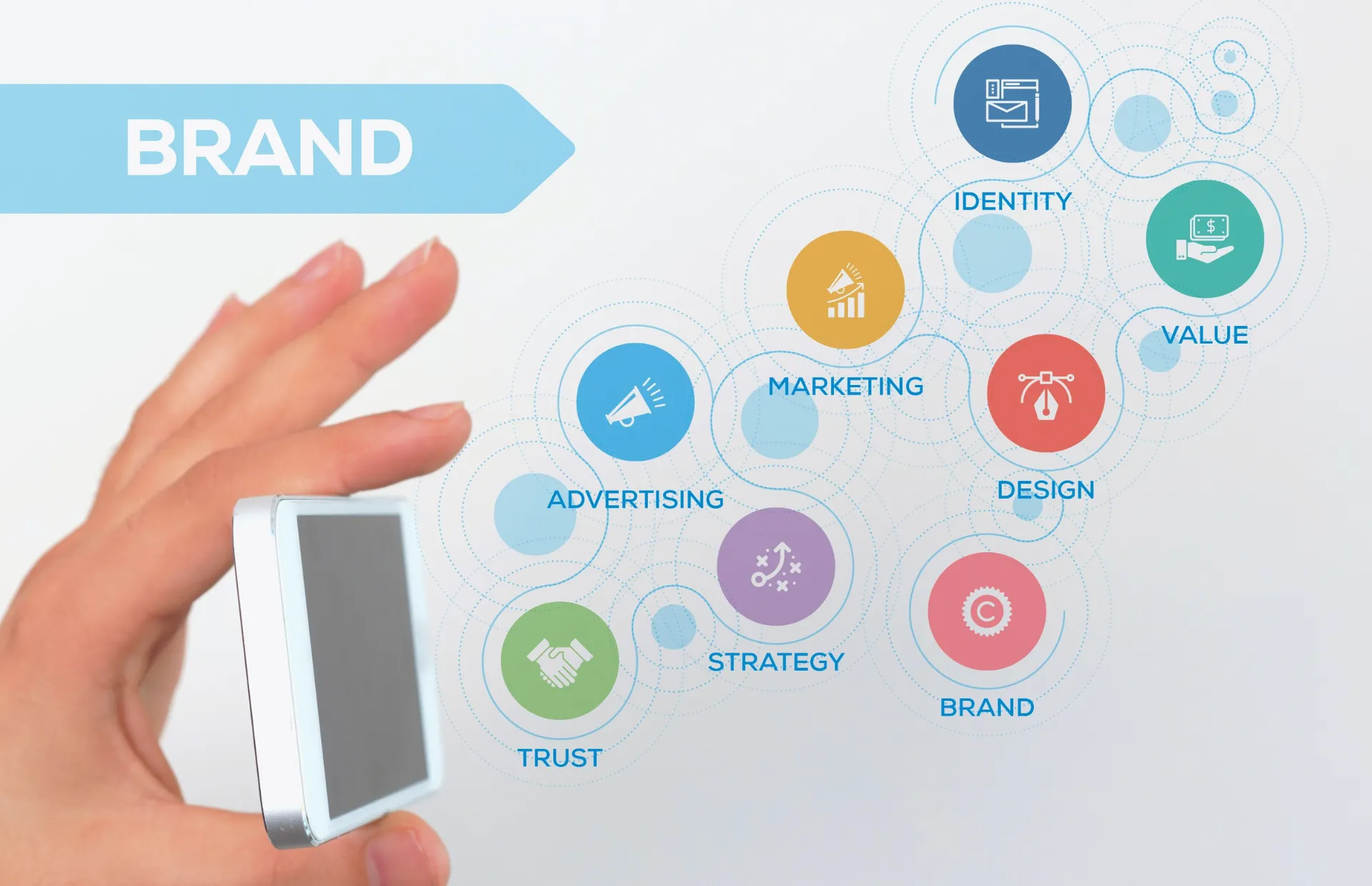
Brand identity design is the visual and verbal expression of a brand. A complete brand identity for a UK business includes:
Visual elements:
- Primary logo and logo variations
- Colour palette with primary and secondary colours
- Typography system with defined font families and usage rules
- Iconography, illustration style, and photography direction
- Business card, letterhead, and stationery design
Verbal elements:
- Brand name and tagline
- Mission statement and brand values
- Tone of voice guidelines
- Messaging hierarchy for different audiences and channels
Digital elements:
- Website design language and UI components
- Social media templates and visual style
- Email design system
- Digital advertising creative standards
A brand identity that covers all three categories produces consistency at every customer touchpoint. UK businesses that invest in comprehensive brand identity design spend less time recreating assets and more time executing campaigns.
Brand Strategy UK: How to Build a Brand That Lasts
Brand strategy is the long-term plan that determines how a brand will achieve its goals. It answers four questions:
- Who is the target audience and what does that audience value?
- What position does the brand occupy in the market?
- What promise does the brand make and how does it consistently deliver on that promise?
- How does the brand communicate across all channels to reinforce its positioning?
UK businesses that operate with a defined brand strategy outperform those that do not. Brand strategy prevents reactive decision-making on visual identity, messaging, and market positioning. It creates a filter for every communication and design decision the business makes.
Authentic brand storytelling increases purchase intent by 42% among UK Gen Z and Millennial consumers. 62% of UK consumers say their purchasing decisions are driven by a company's ethical values and authenticity. A brand strategy that articulates authentic values and communicates them consistently performs significantly better with the dominant UK consumer segments in 2025.
Branding for Small Businesses UK: Why Size Does Not Limit Brand Impact
Small and medium businesses in the UK often treat branding as a luxury reserved for large companies. This is a commercial mistake. A small business with a strong brand identity competes effectively against larger competitors by creating a clear identity that resonates with a specific audience.
The investment required for professional branding for small businesses UK is a fraction of what reactive rebranding costs after poor initial decisions. A professionally designed logo, a clear brand voice, and a consistent visual identity established at launch creates credibility immediately, reduces customer hesitation, and positions the business correctly from day one.
Less than 10% of B2B companies report having consistent branding. For small UK businesses, consistent branding alone is a competitive advantage in most sectors.
Frequently Asked Questions
What is the difference between a brand and branding?
A brand is the identity and perception a business holds in the customer's mind. Branding is the active process of building, communicating, and managing that identity across all touchpoints.
How long does it take to build a strong brand in the UK?
Brand recognition develops over 6 to 12 months of consistent execution. Brand equity, the commercial value attached to the brand name, builds over years of consistent delivery and communication.
Does branding help small businesses compete with larger companies?
Yes. A clearly defined brand identity creates credibility and customer trust regardless of company size. Small UK businesses with consistent branding outperform larger competitors with inconsistent or unclear brand identities.
What is brand identity design and what does it cost in the UK?
Brand identity design covers logo, typography, colour system, and visual guidelines. UK pricing ranges from £500 for basic identity packages to £10,000 or more for comprehensive brand systems depending on agency scope and business complexity.
How does branding affect SEO and digital marketing performance?
Strong branding increases branded search volume, improves click-through rates from search results, and reduces bounce rates on websites. Consistent brand trust signals also improve conversion rates across all digital marketing channels.
Conclusion
Branding is the foundation every other business activity is built on. Marketing, sales, customer service, and recruitment all perform better when they operate within a strong brand framework. For UK businesses in 2025, the evidence is consistent: consistent branding increases revenue by 23%, loyal customers pay up to 50% more, and 77% of marketing leaders confirm that branding is critical to growth.
A business without a defined brand identity is invisible in a competitive market. A business with a strong, consistent brand identity earns trust faster, commands better pricing, attracts better customers, and grows with less friction.
Cynosure Designs provides specialist branding services and brand identity design for UK businesses across all sectors. Whether you are building a brand from scratch or refreshing an existing identity that no longer reflects your business, our team creates brand systems that communicate the right message to the right audience. Contact us to discuss your branding requirements.
Branding takes your company to the next level to gain a competitive edge!
More Interested Reads
6 Most Effective Digital Marketing Methods To Grow Your Local Business
Digital Marketing Strategies to grow your business
Originally Published August 30, 2022 09:39 AM, Updated June 12, 2026.

Editor's Picks
5 Minute Read | Nayab
5 Minute Read | Sannia
5 Minute Read | Nayab
5 Minute Read | Nayab
We are Google Partners
Being a Google Partner means we deliver excellent customer service, give customers a competitive edge and have been trained to help businesses grow online. We have Digital Marketing Specialists who know the google's algorithm better than any other experts in the field.