

Why Automation Is Essential for E-commerce Brands

Written by Nayab
5 Minute Read

Table of Contents
Why E-commerce Brands Need Automation Across Marketing, Sales, and Development
Today, managing an online store can feel like juggling plates in a storm. Because customers want a quick response, ads must begin on schedule, orders must be processed, and your website must function smoothly all the time. Competitors, meanwhile, are just a click away.
Therefore, if you want your company to grow, then it is not solely based on the quality of the products. But rather it all comes down to speed, reliability, and the capacity to provide simplified experiences on a large scale. At that point, e-commerce automation ceases to be a luxury and turns into a necessity.
The realisation that teams can no longer continue to solve contemporary problems by hand is a turning point for many of the brands that Cynosure Designs works with.
Let's examine why.
Marketing That Reacts in Real Time

These days, customer journeys are rarely linear. A customer may find you on Instagram, browse on their phone, leave their cart, read reviews later, and then buy after a timely email. This is almost impossible to handle manually.
Through automation, you can immediately react by changing your marketing approach according to the behaviour of customers. You can introduce your story to new subscribers using welcome sequences. Moreover, reminders to browse-abandon can encourage interested users. Post-purchase flows can ask for reviews or suggest related products.
The outcome? When clients are most inclined to care, messages arrive.
In addition to email, e-commerce business automation makes it possible to segment customers according to lifetime value, aggregate ad audiences, and customise offers without needing someone to rebuild lists on a daily basis.
Sales That Never Sleep
Online retailers are open around the clock. Therefore, your sales procedure ought to be as well.
Automation guarantees that leads are promptly collected, routed, and managed. Workflows keep opportunities flowing, whether it's via allocating wholesale inquiries to the appropriate representative, following up, or initiating special pricing for recurring customers.
Most brands don't grasp how important speed is. But gaining or losing a customer might be determined by how quickly you respond.
Additionally, automation lowers organisational complexity. Updates to inventory can be synchronised between systems. Orders have the ability to automatically generate notifications. Clean, organised data can be sent to finance teams in place of jumbled spreadsheets.
That is when customers notice a difference when sales operations are conducted efficiently.
Development That Supports Growth, Not Firefighting

Your website serves as an important component for your sales, store, and brand representation. But complexity rises quickly as integrations expand and traffic increases.
Development teams frequently become trapped managing repetitive tasks like deployments, testing, data transfers, and bug tracking in the absence of automation. That doesn't give much room for creativity.
On the other hand, automated testing finds problems before clients do. Continuous deployment pipelines make updates safer and faster. Furthermore, monitoring systems notify teams of issues immediately, sometimes even fixing them before users are aware of them.
Through ecommerce marketing automation, not only are damages prevented from this kind of infrastructure, but it also allows brands to scale fearlessly, try new things, and provide new features.
People Should Do Human Work
This is arguably the most underappreciated advantage: automation frees up your team member.
Skilled employees shouldn't spend their days correcting avoidable mistakes, sending out repetitive emails, or copying data. They are valuable for their ability to analyse, be creative, and establish connections.
Morale and productivity both increase when monotonous jobs are eliminated.
How Does Cynosure Designs Automate Tasks?
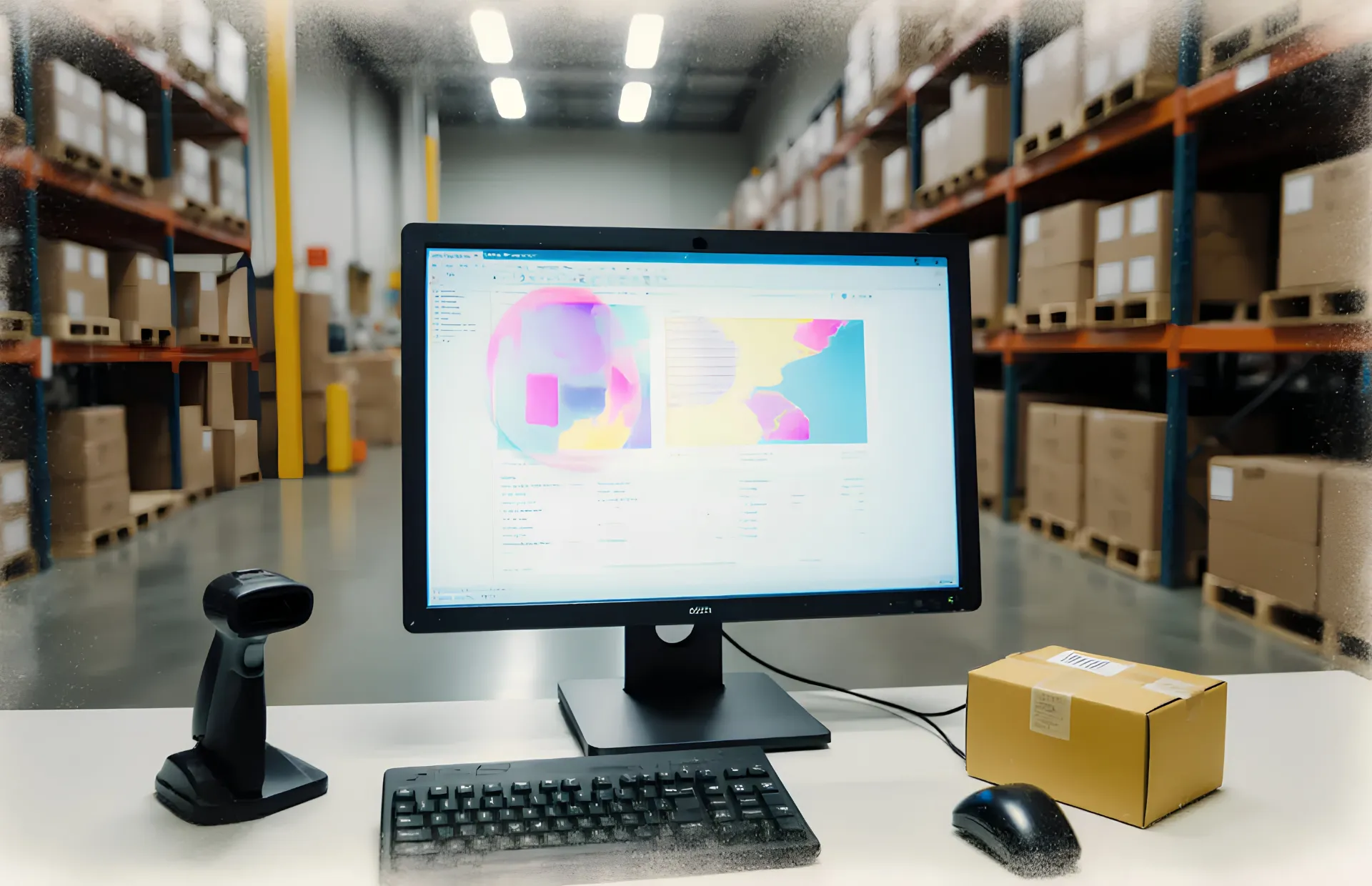
E-commerce brands demand careful attention because customer satisfaction is mandatory. For that reason, rather than continuous human surveillance, their team can make the workflow smooth with n8n. This is a powerful tool that forms the bridge between your website and other platforms, including Shopify, WooCommerce, and Stripe.
The main reasons why Cynosure Designs relies on n8n are:
- After a customer purchases an item, it can automatically send a notification to the warehouse and update the inventory.
- Give a friendly reminder if someone leaves items in the cart.
- For efficient customer support, it can send queries directly from social media to your team.
- It can grab new customers and sync them to your email marketing tool.
FAQS
1. What does automation actually mean for an e-commerce business?
Automation in e-commerce means using technology to handle repetitive processes across marketing, sales, and development without manual effort. This includes triggered email campaigns, lead routing, inventory syncing, order notifications, automated testing, and performance monitoring. The goal is to save time, reduce errors, and deliver faster, more consistent customer experiences.
2. How does automation improve marketing performance?
E-commerce automation allows brands to respond instantly to customer behaviour. Instead of sending generic campaigns, businesses can trigger welcome flows, abandoned cart reminders, post-purchase follow-ups, and personalised offers at the right moment. This leads to higher engagement, better conversion rates, and stronger customer retention.
3. Can automation really increase sales?
Yes. Speed is critical in online retail. Automation ensures inquiries are captured immediately, routed to the right teams, and followed up without delay. It also helps manage repeat buyers, special pricing, and order communication automatically. Faster responses and smoother processes often translate directly into more conversions.
4. Why is e-commerce automation important for development teams?
Without automation, developers spend valuable time on repetitive tasks like deployments, testing, and bug tracking. Automated pipelines, continuous testing, and real-time monitoring catch issues early and make releases safer. This frees developers to focus on innovation and improving the customer experience instead of constant firefighting.
5. Will automation replace human employees?
No, it enables them to do more meaningful work. By removing repetitive administrative tasks, teams can focus on strategy, creativity, customer relationships, and growth initiatives. Most brands see higher productivity and better morale when automation supports their people rather than burdening them.
Conclusion
E-commerce is evolving with the passage of time. Brands that are efficient, personalise well, and react fast will always do better than those that prioritise manual labour. However, the goal of automation is not to replace humans. But it's about giving them the tools to succeed.
At Cynosure Designs, the professionals view e-commerce automation as the base that enables development, sales, and marketing to proceed in unison. Growth becomes predictable and ceases to feel chaotic when these domains are in harmony. So, by reaching out to this company, your business will outrun the competitors through the integration of the latest approaches and tools.
Originally Published February 26, 2026 03:43 PM, Updated February 27, 2026.


Editor's Picks
5 Minute Read | Nayab
5 Minute Read | Sannia
5 Minute Read | Nayab
5 Minute Read | Nayab
We are Google Partners
Being a Google Partner means we deliver excellent customer service, give customers a competitive edge and have been trained to help businesses grow online. We have Digital Marketing Specialists who know the google's algorithm better than any other experts in the field.